


RSHE
Relationships, Sex and Health Education (RSHE)
At Palm Bay, we teach Relationships, Sex and Health Education (RSHE) to help our pupils develop the knowledge and skills they need to make informed decisions about their wellbeing, health and relationships. High-quality RSHE prepares children for the opportunities and responsibilities of adult life, and promotes their moral, social, mental and physical development.
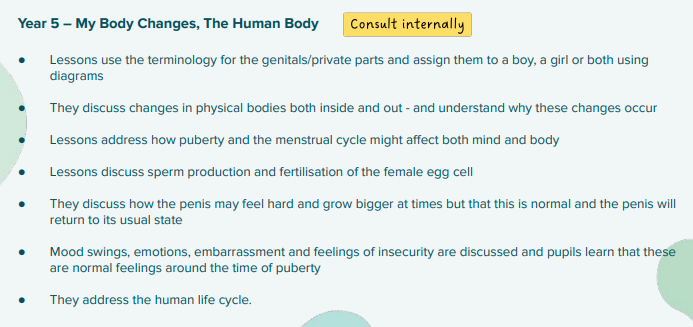
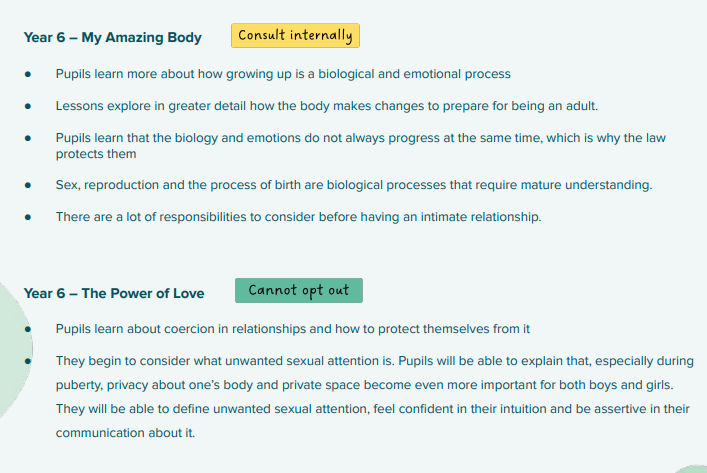
All pupils receive compulsory Relationships Education and Health Education. We also teach sex education in Years 5 and 6, in line with content about conception and birth, which forms part of the national curriculum for science.
Relationships Education
Relationships Education will put in place the building blocks needed for positive and safe relationships, including with family, friends and online. Your child will be taught what a relationship is, what friendship is, what family means and who can support them. In an age-appropriate way, we will cover how to treat each other with kindness, consideration and respect.
By the end of primary school, your child will have been taught content on:
● Families and people who care for me
● Caring friendships
● Respectful relationships
● Online relationships
● Being safe
Health Education
Health education aims to give your child the information they need to make good decisions about their own health and wellbeing, to recognise issues in themselves and others, and to seek support as early as possible when issues arise.
By the end of primary school, your child will have been taught content on:
● Mental wellbeing
● Internet safety and harms
● Physical health and fitness
● Healthy eating
● Facts and risks associated with drugs, alcohol and tobacco
● Health and prevention
● Basic first aid
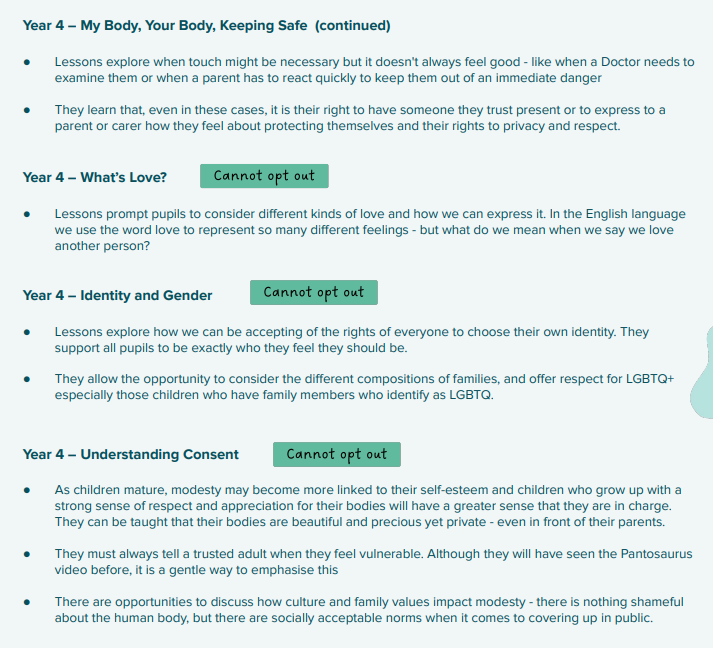
● Changing adolescent body
As part of the Changing adolescent body category of Health Education, the LifeWise curriculum includes naming parts of the body, including internal and external, male and female genitalia. This is part of the National Science Curriculum for sex education and parents cannot opt out.
The LifeWise curriculum introduces the naming of body parts in Year 1 to support safeguarding. The words are used in conjunction with the wider concept of children understanding that these are private parts of their bodies. Menstruation and Puberty are part of Health education and parents cannot opt out. The LifeWise curriculum introduces menstruation in Year 5.
Sex Education
Under the National Curriculum, the basics of Sex Education fall within the Science curriculum. The statutory content requires schools to teach children about human development, including puberty, and reproduction.
In Key Stage 1, pupils will: Be introduced to the process of reproduction and growth in animals. They should be introduced to the concepts of reproduction and growth, but not how reproduction occurs.
Key Stage 2, pupils will: Be taught about different types of reproduction, including sexual and asexual reproduction in plants and sexual reproduction in animals. Pupils should draw a timeline to indicate stages in the growth and development of humans. They should learn about the changes experienced in puberty.
It is statutory to teach pupils about the changes that occur as humans develop and about sexual reproduction in some plants and animals. Describing the changes as humans develop must include teaching about puberty, which is a principal change for humans as they develop and grow older. Puberty is about developing sexual maturity and the ability to reproduce, which for humans is sexual reproduction.
Within the LifeWise curriculum, addresses sperm production and the fertilisation of the female egg cell; that sex, reproduction and the process of birth are biological processes that require mature understanding; and that the fertilisation of an egg can lead to implantation, and a foetus growing.
We have an up-to-date written policy for RSHE which sets out what we teach, how and when it will be taught, and who is responsible for teaching it. Our policy can be found in the policies section of this website.
We proactively engage with parents and make sure they are aware of what is being taught in RSHE. We welcome parents to discuss the curriculum content and the importance of RSHE for wellbeing and safety, and to discuss any concerns. All curriculum materials used to teach RSHE are available for parents to view and key information about our current RSHE programme of study can be found below.
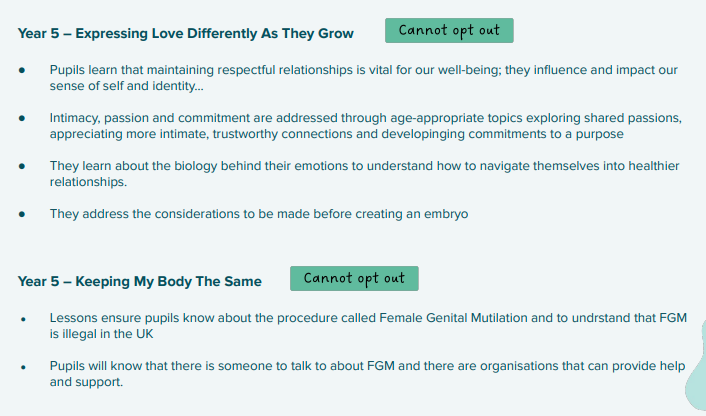
Parents have the right to request that their child be withdrawn from some or all of sex education delivered as part of RSHE. Parents do not have the right to withdraw their pupils from Relationships and Health Education, nor can they be withdrawn from topics taught as part of the science curriculum. If you would like to discuss this, please contact a member of the school leadership team.
Below is a Deep dive Guide for Parents about the LifeWise RSHE Curriculum:
lifewise deep dive guide for parents rshe.pdf
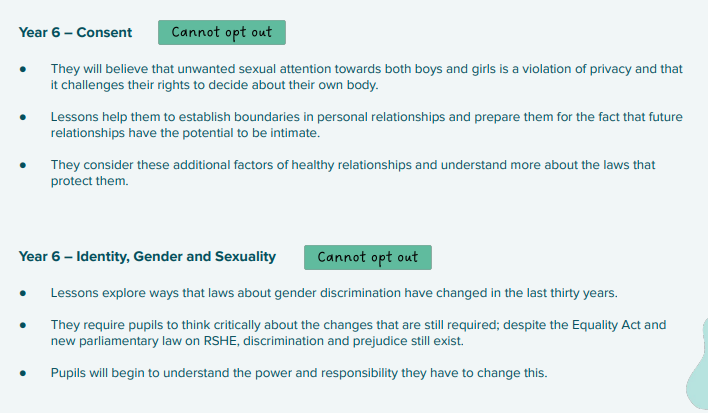
The below information shows our LifeWise RSHE Curriculum for each year group and links to the resources for parents, where LifeWise have made it available to parents:
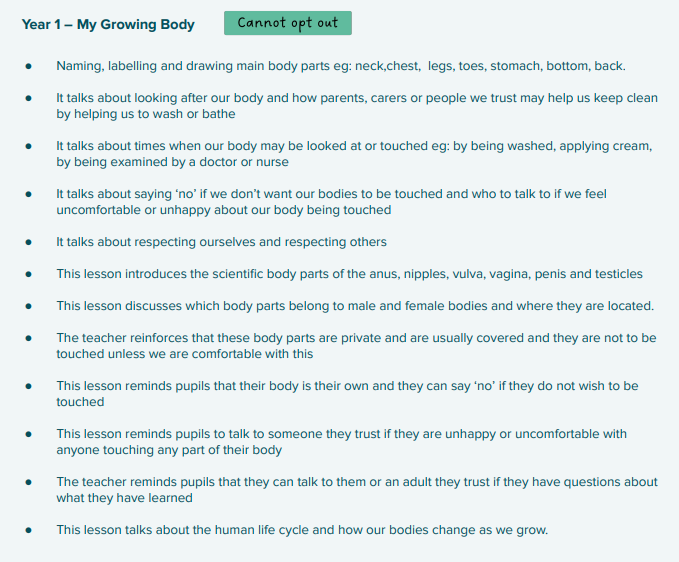 My body is growing - lesson resources
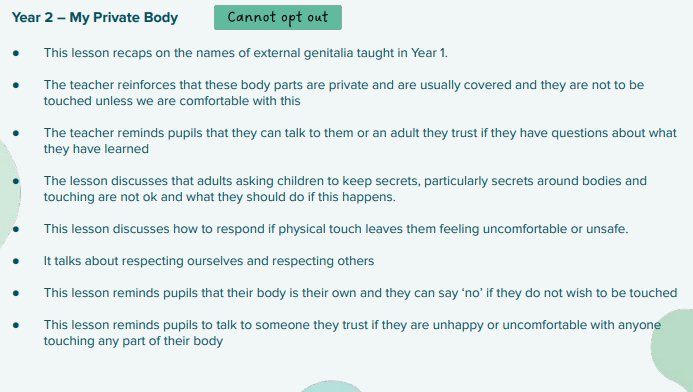 My Body is growing 2 - Lesson resources
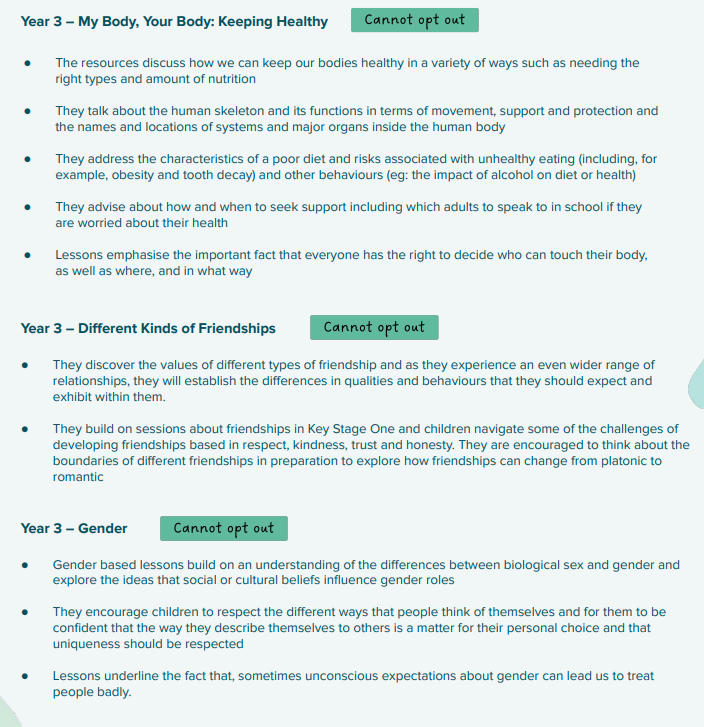
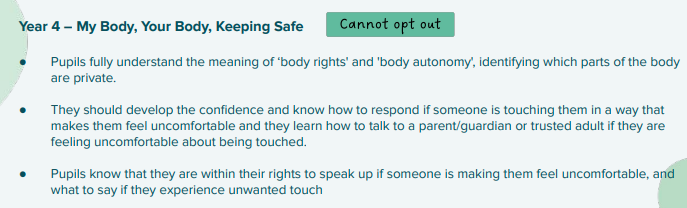
 My body changes 1 - Lesson resources
My body changes 2 - Lesson resources
 Keeping my body the same - Lesson resources Keeping my body the same 2- Lesson resources
 My amazing body 1My amazing body 2
Copies of lesson plans and additional lesson resources can be provided on request